27 October 2026
What Is Mahjong? A Beginner’s Guide to How to Play
From mahjong clubs and supper-club game nights to Instagram and TikTok, mahjong is finding a new generation of players.
Yet this much-loved Chinese game has been bringing people together for generations. Its appeal is timeless: a little strategy, friendly competition, and a reason to gather around the table.
Our Mahjong Collection celebrates that ritual with signature Addison Ross colour and lacquer finishes. Ready to take your seat? Here's a simple guide from your first setup to your first “Mahjong!” call.

What Is Mahjong?
Mahjong is a tile-based game traditionally played by four players. Often described as “rummy with tiles”, it involves drawing and discarding tiles to collect combinations and complete a winning hand.
Developed in 19th-century China, it became an international sensation in the 1920s. Today’s revival adds another chapter to a game with a rich history of family traditions and friendship.
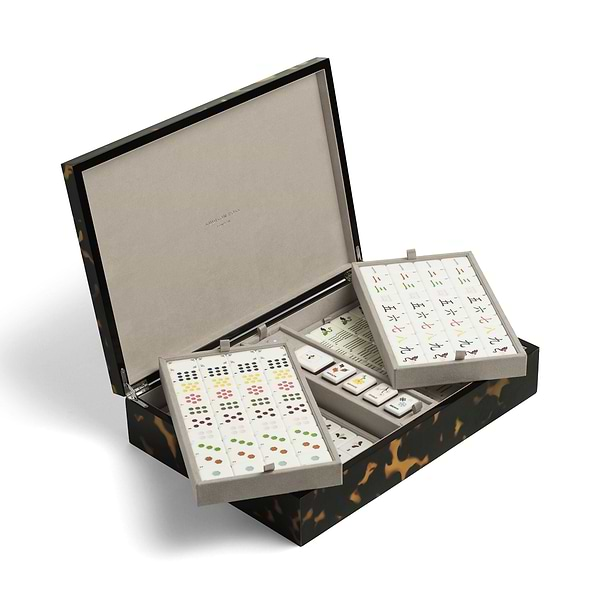
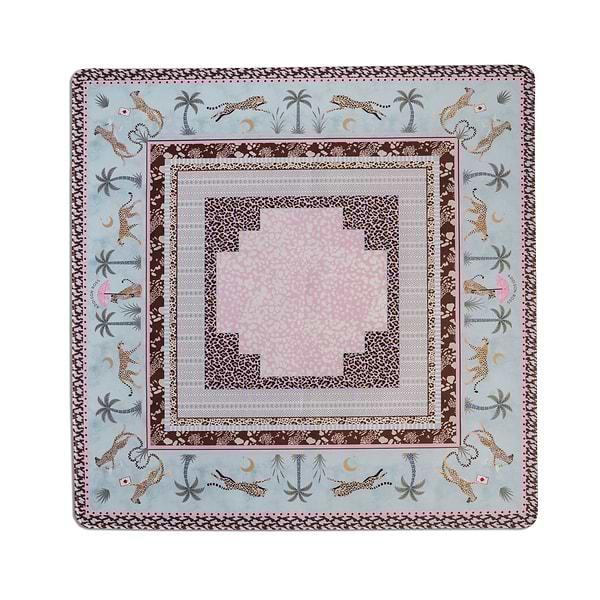
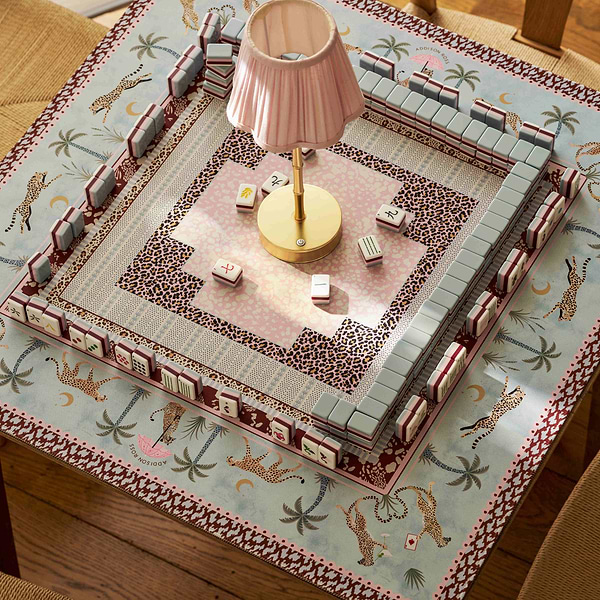
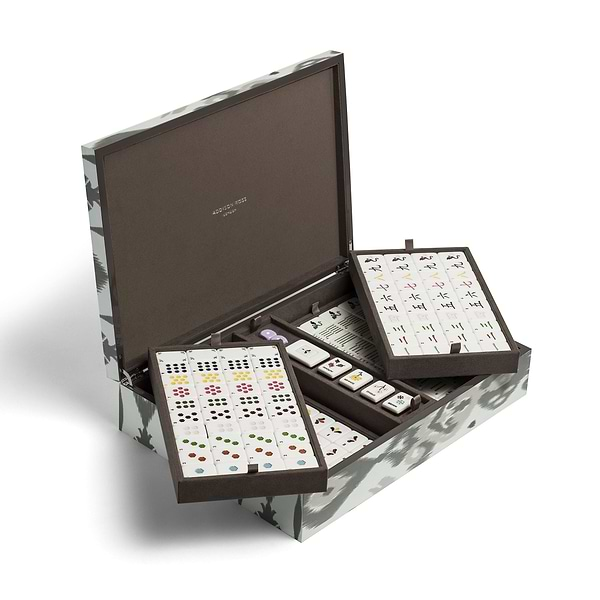
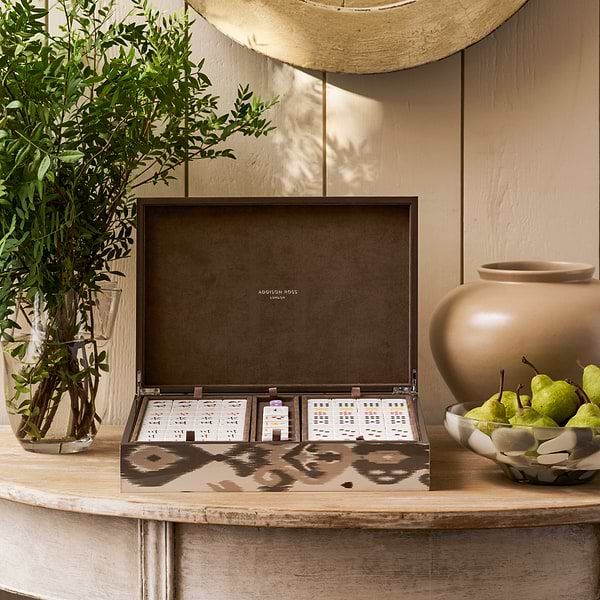
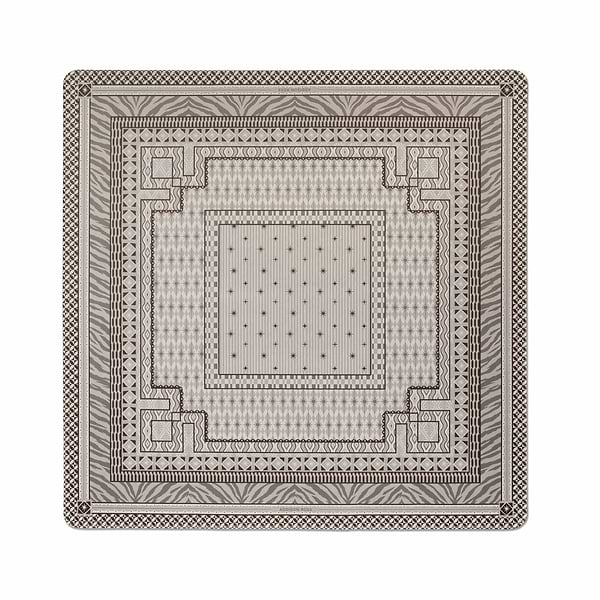
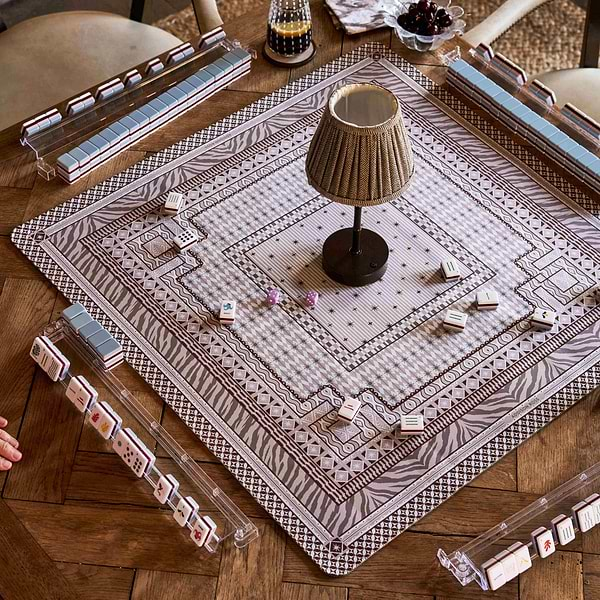
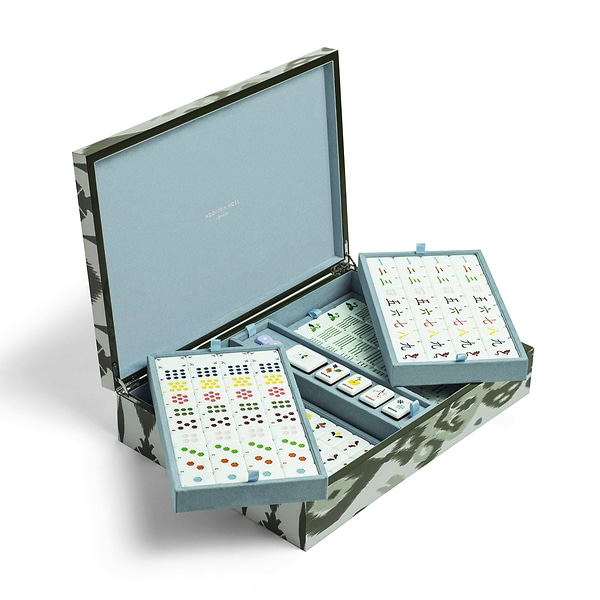
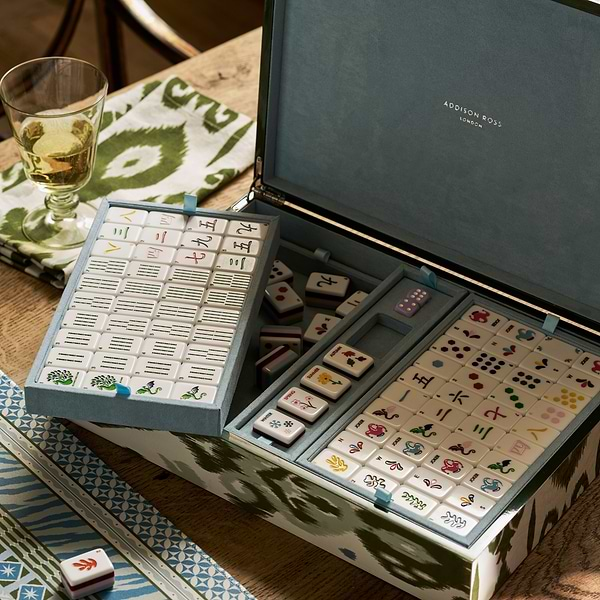
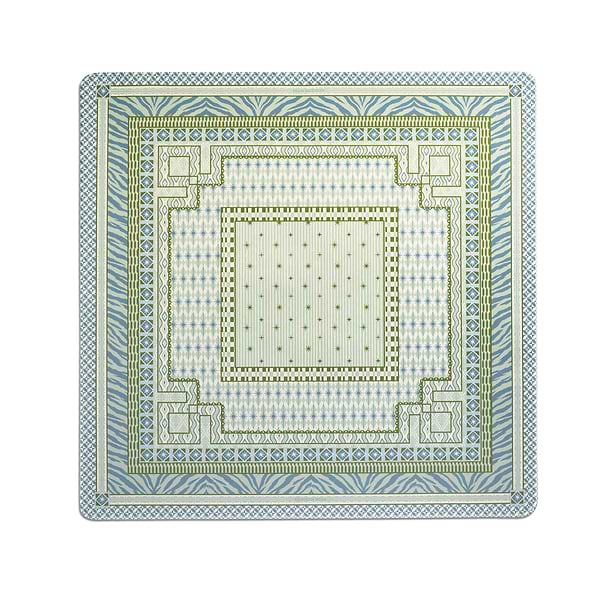
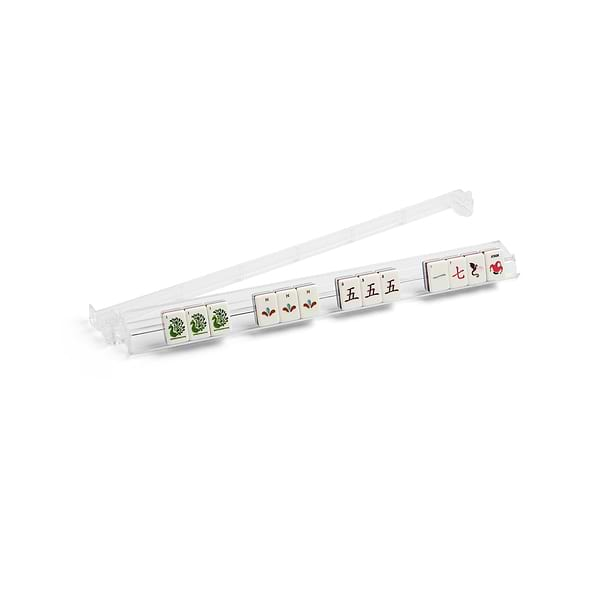
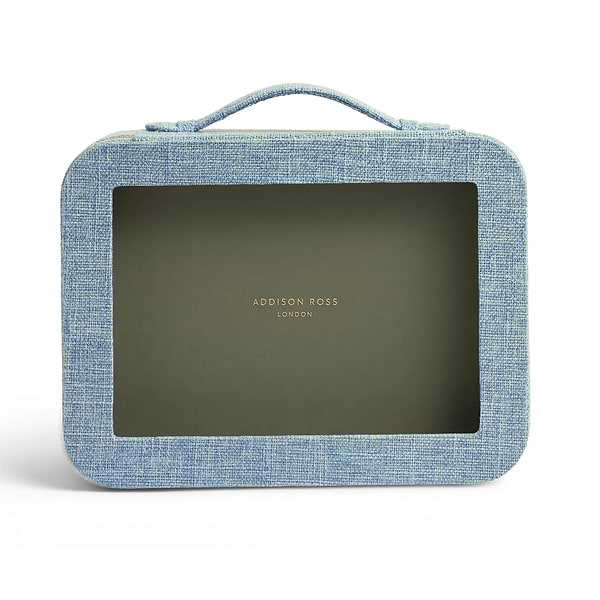
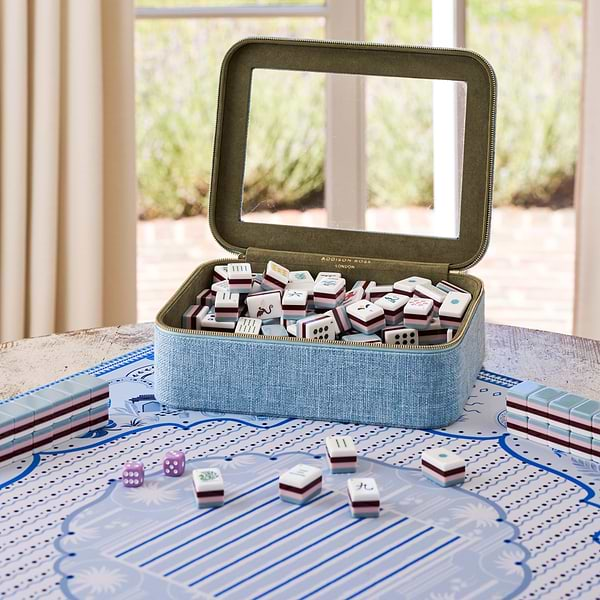
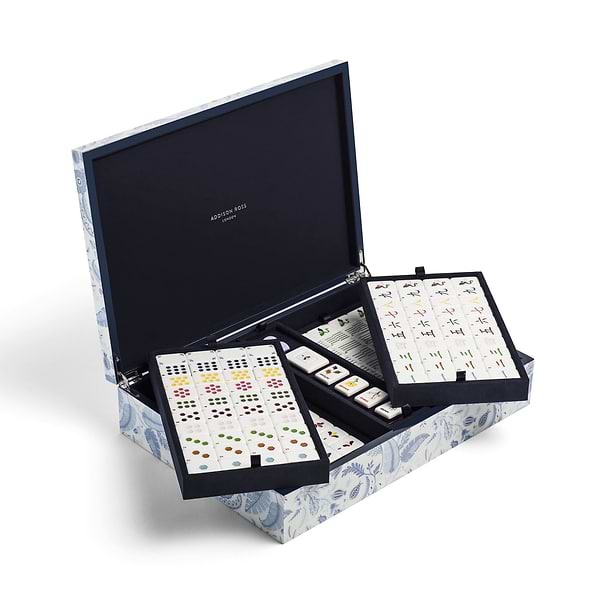
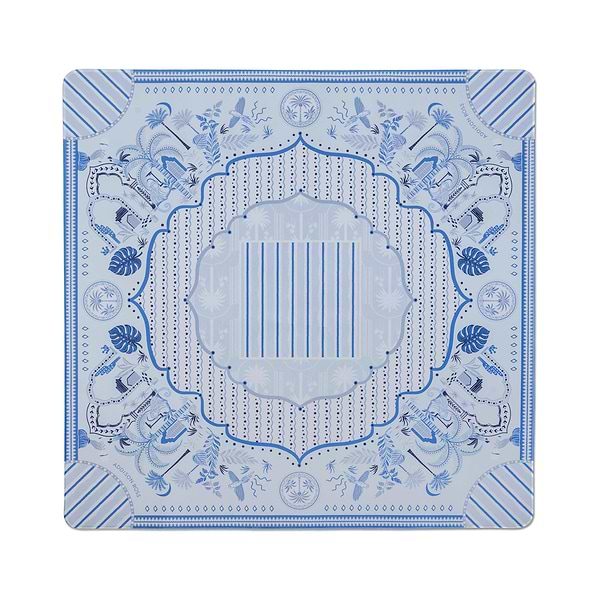
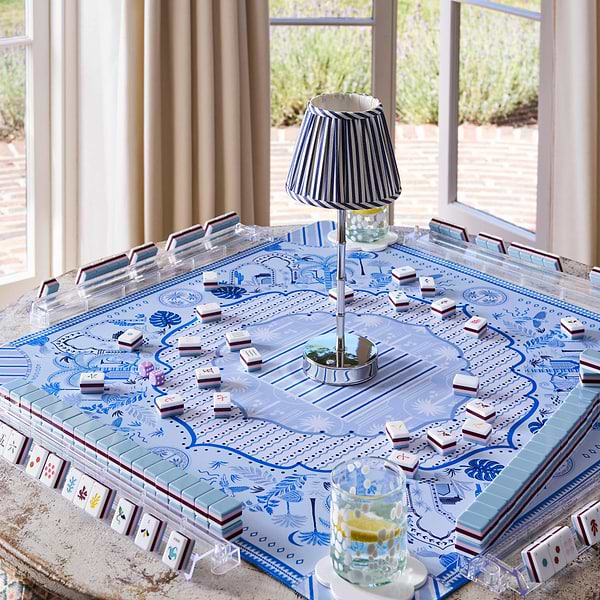
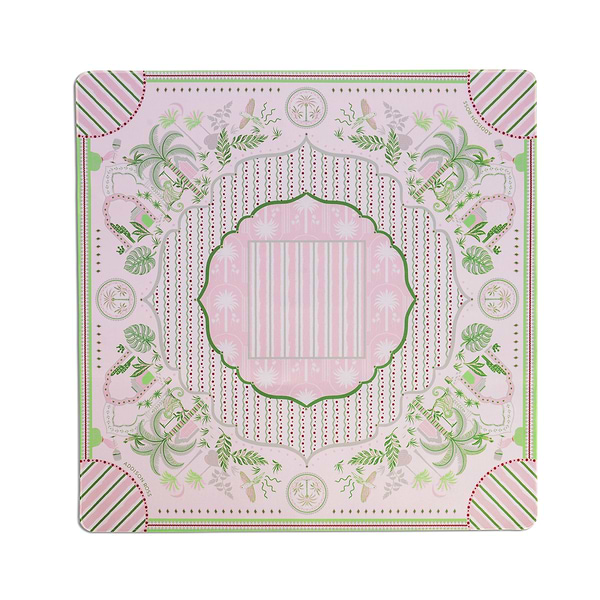
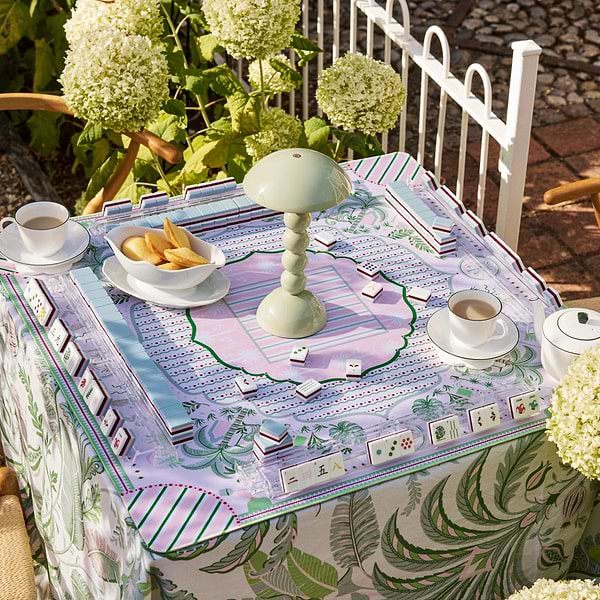
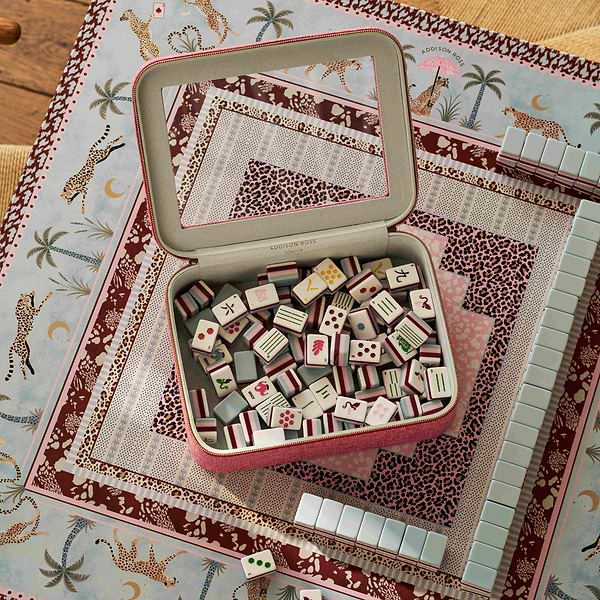
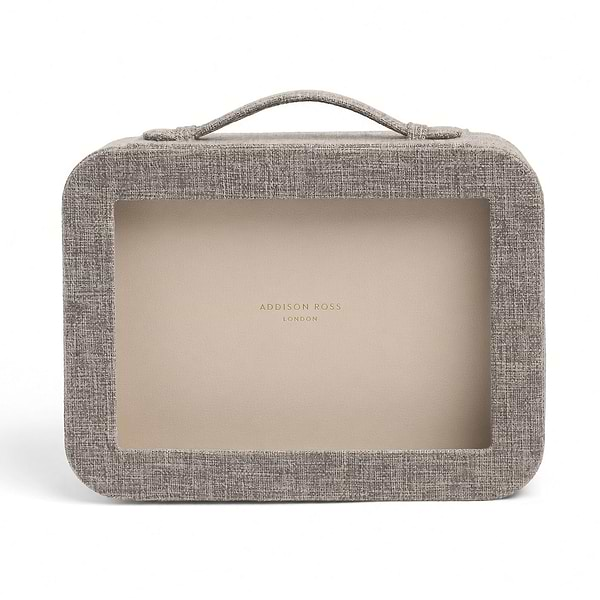
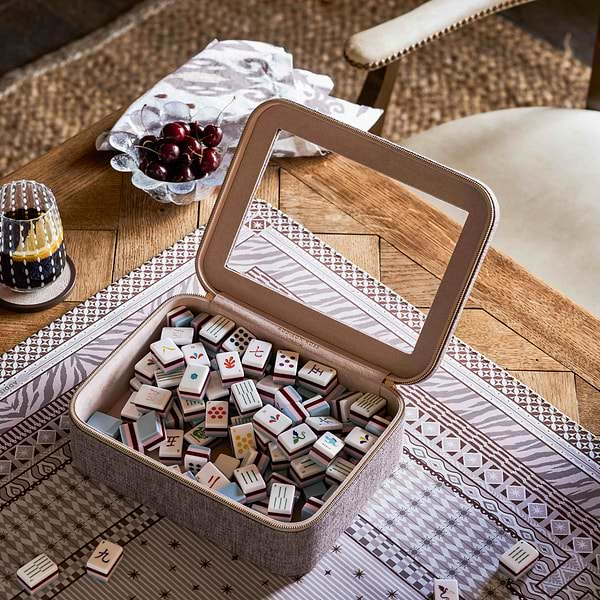
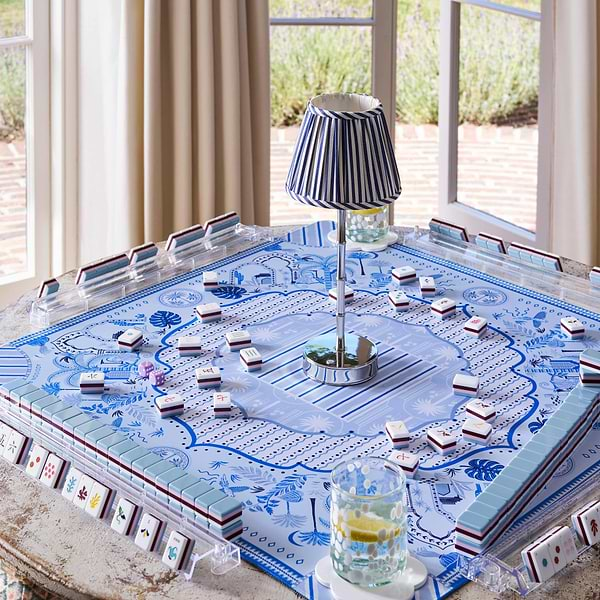
A mahjong set usually contains tiles and dice, sometimes with racks and other accessories. A playing mat helps protect your table and softens the sound of play.

Chinese vs American Mahjong: What’s the Difference?
Chinese mahjong includes many regional variations, including Hong Kong mahjong. These versions generally do not use jokers, with players building sets and a pair to complete a winning hand. Scoring varies depending on the rules being played.
American mahjong typically uses racks, additional joker tiles and a yearly hand card published by the National Mahjong League. It also features the Charleston, an opening tile exchange between players before play begins.
Addison Ross mahjong sets are designed for both Chinese and American play. Before you begin, agree on the rules you’ll be using. The guide below follows a Chinese-style format designed for beginners.
How Many Tiles Are in a Mahjong Set?
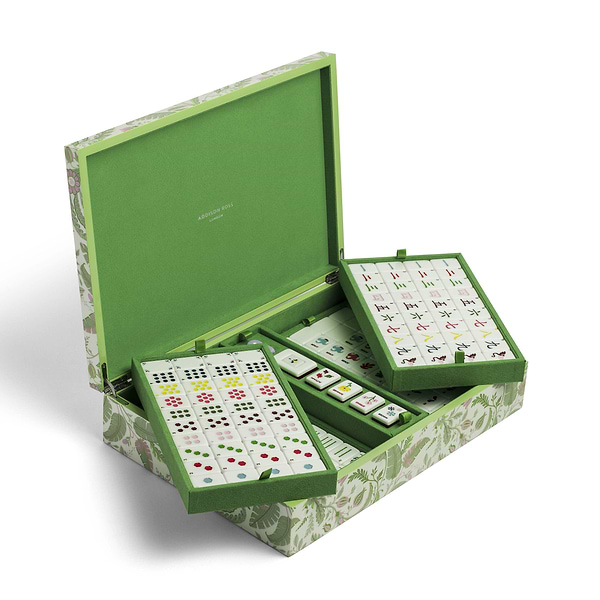
Wondering how many tiles are in a mahjong set? A standard Chinese set contains 144, including Flowers and Seasons. An American set typically contains 152, adding eight jokers.
| Tile group | What’s included | Number |
|---|---|---|
| Dots, also called Circles | Numbers 1–9, four of each | 36 |
| Bamboo, also called Bams | Numbers 1–9, four of each | 36 |
| Characters, also called Cracks | Numbers 1–9, four of each | 36 |
| Winds | East, South, West and North, four of each | 16 |
| Dragons | Red, Green and White, four of each | 12 |
| Flowers and Seasons | Four of each | 8 |
| Standard Chinese set | All of the above | 144 |
| Jokers | Eight additional tiles for American play only | + 8 |
| American set | Standard set plus jokers | 152 |
Some sets include spare tiles, so the number in the box may be higher. Explore our Tortoiseshell Mahjong Bundle or browse The Mahjong Collection.

How to Play Mahjong for Beginners
The best way to learn mahjong is to focus on the rhythm of the game: draw, decide, discard. Start by learning how to build basic tile combinations, then move on to scoring and any minimum winning requirements used in your chosen version.
In most forms of mahjong, the goal is to complete a winning hand made up of four sets and one pair. On each turn, players draw a tile, assess their hand, and discard a tile they no longer need. As the game progresses, strategic decisions become just as important as luck.
If you're new to mahjong, don't worry about memorising every rule at once. Begin with the fundamentals, play a few practice rounds, and the patterns will quickly start to feel familiar.

How to Set Up a Mahjong Game
1. Seat four players and assign the Winds: East, South, West and North. East is the first dealer.
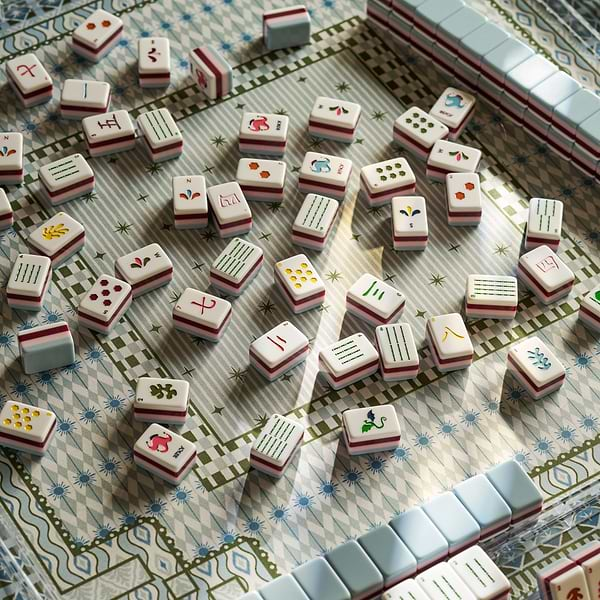
2. Shuffle all tiles face down, then build four walls, each two tiles high and 18 tiles wide.
3. Roll the dice and follow your chosen rules to determine where the wall is broken.
4. Deal 13 tiles to each player, with East taking 14. East begins by discarding one tile.
If you are playing with Flowers and Seasons, these bonus tiles are placed face up and replaced with new tiles from the wall. A playing mat and tile racks can help keep the game organised and make longer sessions more comfortable.

How a Turn Works
After East makes the opening discard, play continues anticlockwise around the table. On each turn, a player draws one tile and then discards one tile face up.
Players may claim another player's discard to complete certain combinations. When a combination is claimed, it is revealed to the table before play continues. A pung (three matching tiles) or kong (four matching tiles) can usually be claimed from any player's discard, while a chow (a sequence of three suited tiles) can typically only be claimed from the player immediately before you.
The rhythm of mahjong quickly becomes second nature: draw, assess your options, and discard. As your hand develops, each decision brings you closer to a winning combination.

Pungs, Kongs and Chows Explained
Before you can win a hand, it helps to understand the building blocks that make up a mahjong hand. Most winning hands are formed from a combination of sets and a pair:
- Pung: three identical tiles.
- Kong: four identical tiles, declared as a set.
- Chow: three consecutive numbered tiles in the same suit, such as 3, 4 and 5 Bamboo.
- Pair: two identical tiles.
As you play, you'll collect and combine tiles to create these groups. A standard winning hand in Chinese mahjong usually consists of four sets (made up of pungs, kongs or chows) and one pair.

How to Host a Mahjong Night
A mahjong night is as much about bringing people together as it is about the game itself. Start with a beautiful mahjong set and a coordinating playing mat as the centrepiece of your table. Make sure everyone has a comfortable seat, good lighting and plenty of space to organise their tiles.
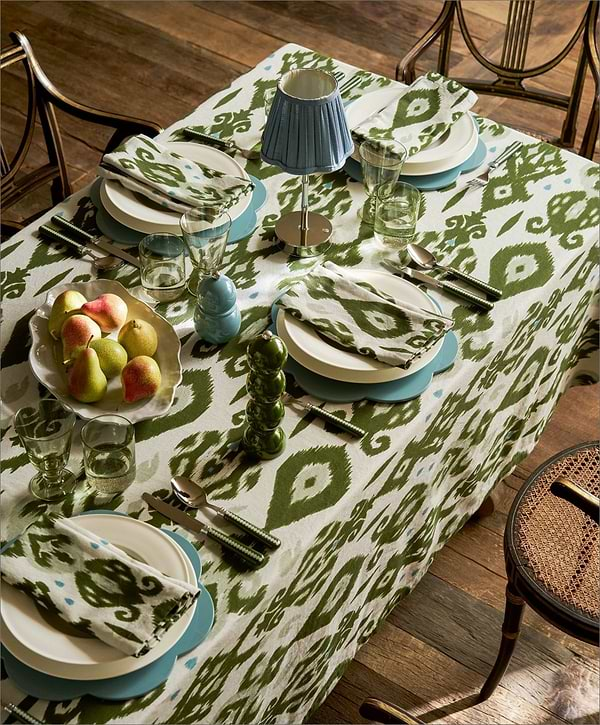
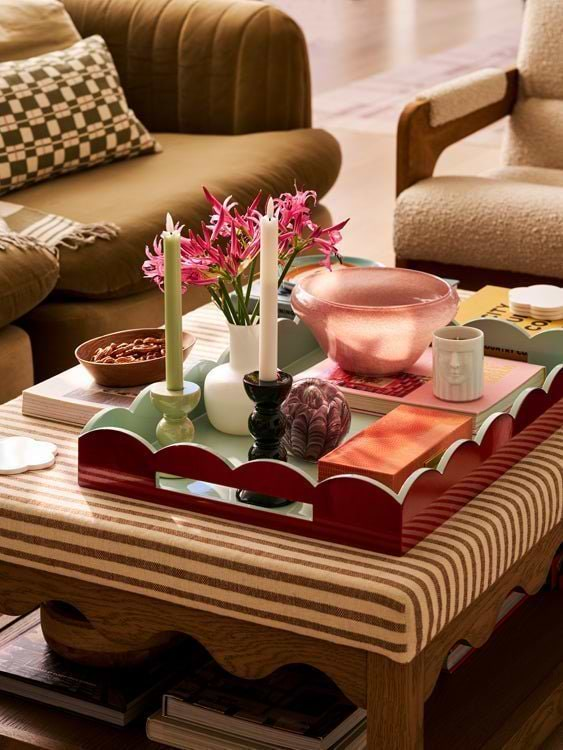
Keep refreshments simple and easy to enjoy without interrupting play. Drinks, small bites and sharing plates can be served on trays nearby, leaving the playing surface clear and uncluttered. If some guests are new to mahjong, consider playing a practice hand first to help everyone get comfortable with the rhythm of the game.
For a longer evening, plan a short break between rounds for conversation and refreshments. Whether it becomes a monthly tradition or a special occasion, the best mahjong nights are the ones that leave everyone looking forward to the next invitation.

Choosing Your First Mahjong Set
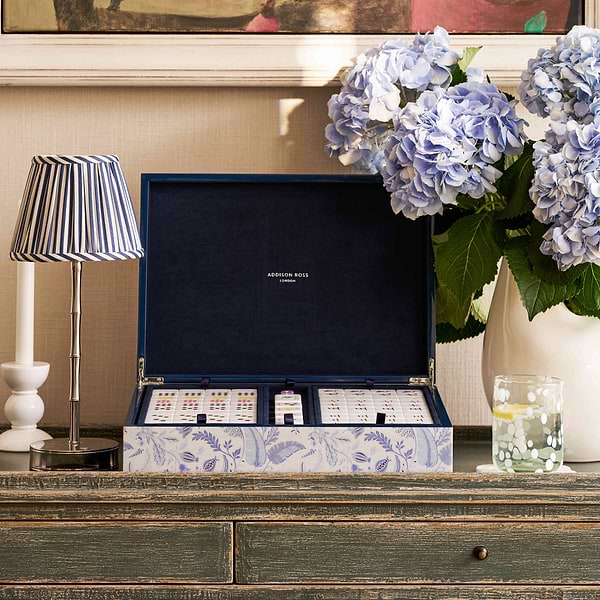
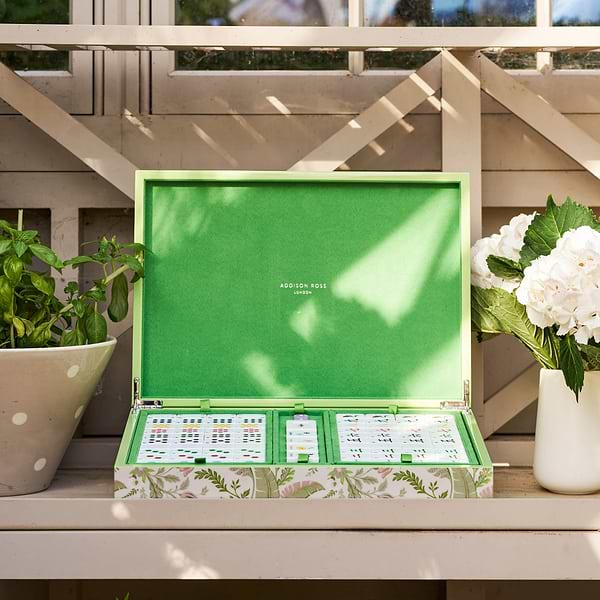
When choosing your first mahjong set, look for a design you'll enjoy displaying in your home as much as playing with. A beautifully made set can become part of your décor and a piece you'll reach for time and again.
- Palm Beach Blue: a fresh coastal colour that brings a relaxed feel to any interior.
- Palm Beach Green: a vibrant choice inspired by lush greenery and entertaining at home.
- Ikat Mink: a soft, understated pattern that suits both classic and contemporary spaces.
- Ikat Khaki: a bold, expressive design for those who love colour and layered tablescapes.
- Tortoiseshell: a rich, timeless pattern with enduring appeal.
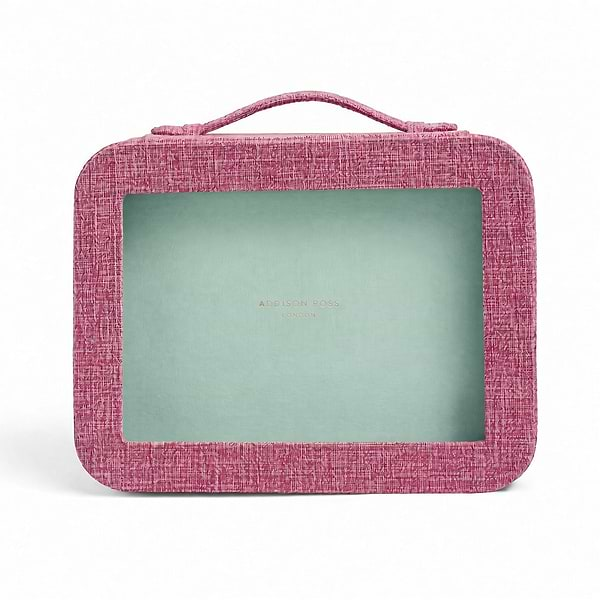
Each Addison Ross mahjong set is designed to be enjoyed for years to come, whether displayed at home, gifted to a loved one or brought out for regular game nights. Coordinating mats and accessories can make play even more enjoyable, while our gifts under £50 offer thoughtful options for hosts and mahjong enthusiasts alike.

Discover the Mahjong Collection
Mahjong’s simple rhythm makes it easy to learn, while its depth keeps players coming back for more. Whether you’re hosting regular game nights or discovering the game for the first time, a beautifully crafted set turns every round into an occasion.
Shop the Mahjong Collection and discover lacquered mahjong sets, coordinating mats and thoughtful accessories designed to bring people together around the table.
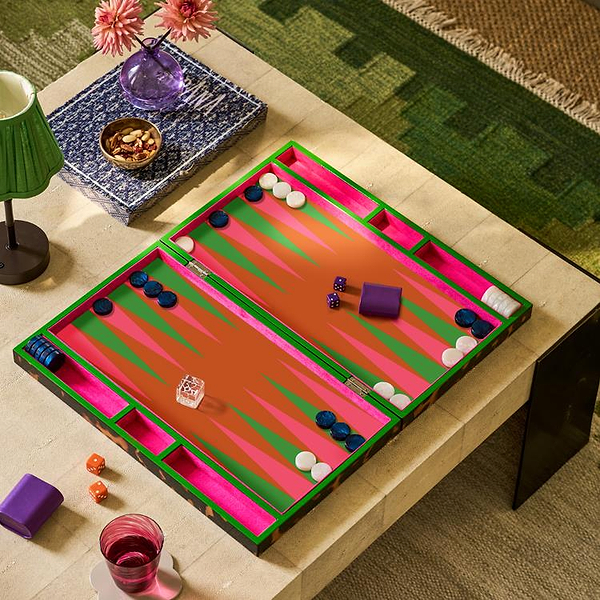
For more beautifully crafted games and entertaining essentials, explore our Lacquer Backgammon Sets.